Why Generic Fitness Apps Fall Short
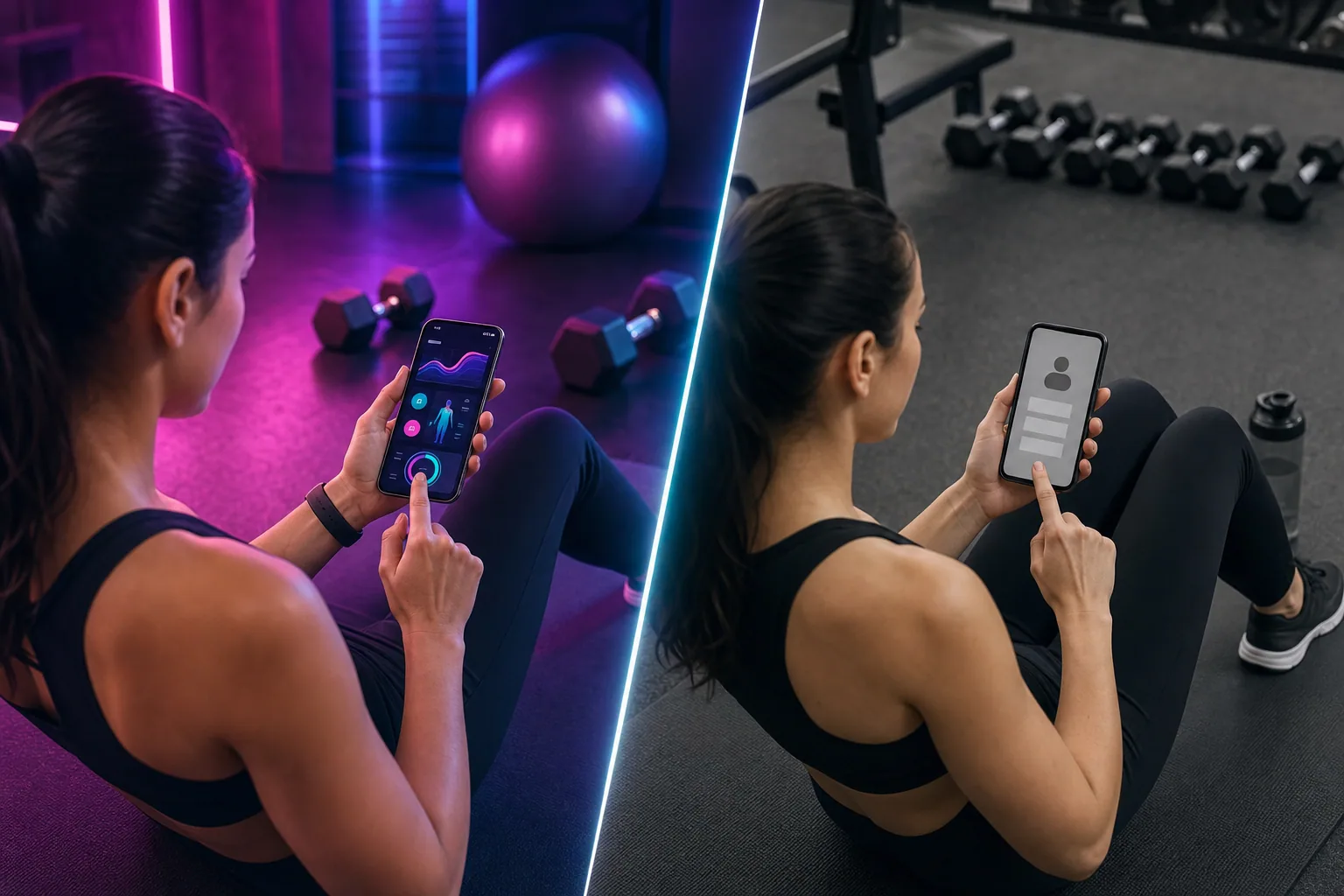
When you download a generic fitness app, you get the same workout template as thousands of other users. Sure, it has a database of exercises and a preset progression schedule. But here's the problem: your body, your goals, and your life are unique. A one-size-fits-all approach ignores the variables that actually matter.
Generic apps ask you to fit into their system rather than building a system around you. They can't adapt when you get injured, skip a week, or hit a plateau. They don't know whether you're training for strength, endurance, or just want to feel better. They don't account for your recovery speed, equipment access, or time constraints. You're left modifying workouts on the fly, getting frustrated, and eventually deleting the app.
The real issue is that generic fitness apps prioritize scale over personalization. They're designed to work for everyone, which means they work well for no one.
How AI Fitness Apps Adapt to Your Real Life
An AI fitness app is fundamentally different. Instead of forcing you into a predetermined plan, it learns from your data and adjusts in real-time.
Every workout you complete feeds data into the system. How many reps did you actually hit? Did you feel strong or sluggish? How quickly did you recover? An intelligent system uses this information to modify the next session. If you're consistently hitting high reps with ease, the app increases weight or complexity. If you're struggling, it scales back, prevents injury, and keeps you engaged.
This adaptability extends beyond the workout itself. A custom workout app considers your nutrition, sleep patterns, stress levels, and available time. If you log that you only slept four hours, it might suggest lighter volume that day. If you nailed your meals, it could push you harder. The app becomes a true coach, not just a library of exercises.
The difference is stark: generic apps give you the same workout as yesterday. An AI fitness app gives you the exact workout you need today.
The Power of Personalized Workout Apps
When you use a best personalized fitness app, you're not just getting a workout plan. You're getting a system that understands your individual context.
Consider these real benefits:
- Progressive overload that actually works: The app tracks what worked last time and systematically increases difficulty only when you're ready, not on some arbitrary schedule.
- Injury prevention: By monitoring your form feedback, recovery metrics, and fatigue levels, the system flags patterns before they become injuries.
- Motivation that lasts: You see measurable, personalized progress. The app celebrates your wins, not generic milestones.
- Time efficiency: Instead of spending 45 minutes on a generic workout, you get a tailored 30-minute session that delivers real results for your specific goals.
- Nutrition integration: The best personalized fitness apps don't just plan workouts. They coordinate with meal planning, carb timing, and hydration to maximize performance and recovery.
These aren't nice-to-haves. They're the difference between an app you use for two weeks and one that becomes part of your daily routine.
Custom Workout Apps: Built for Your Goals, Not the Algorithm
When you choose a personalized workout app that's truly custom, you're opting for something built around your specific objectives.
Different goals demand different approaches. Building muscle requires different volume, frequency, and intensity than training for a half-marathon. Getting stronger looks nothing like training for athletic power. A generic app serves up the same content to all users. A custom app understands that you're different, and it plans accordingly.
This goes deeper than just picking a goal at signup. Real personalization means the app continues to refine its understanding of what you need. Over weeks and months, it learns your response patterns, your recovery capacity, and the specific variables that drive your progress. It becomes smarter about trade-offs: should it add more volume or increase intensity? Should it prioritize strength or endurance right now?
You're not following someone else's blueprint anymore. You're getting a bespoke plan that evolves as you do.
What to Look for in an AI-Powered Fitness App
Not all personalized workout apps are created equal. Here's what separates the best from the crowd:
- Real adaptation, not just customization at signup: Can the app modify your plan based on actual performance data, or does it lock you into a preset path?
- Nutrition and fitness integration: The best results come when workouts and meals work together. Does your app coordinate these?
- Transparent reasoning: When the app suggests a change, can you understand why? Or is it a black box?
- Scalability to your life: Can it handle travel, busy weeks, gym closures, or equipment changes without falling apart?
- Coach-like feedback, not just instructions: Does the app explain proper form, offer modifications, and celebrate effort, or just tick off exercises?
- Privacy and data security: Your fitness data is personal. Make sure the platform respects that.
The right AI fitness app should feel like you have a coach in your pocket who knows your history, your body, and your goals.
Making the Switch: When a Personalized App Actually Pays Off
If you've been using a generic fitness app, you might wonder if switching is worth the effort. The honest answer: it depends on your commitment.
If you're casually browsing workouts and not tracking results, a free generic app is fine. But if you're serious about fitness, if you're tracking metrics and expecting progress, a personalized workout app will deliver faster, smarter results. You'll recover better, avoid injuries, and see measurable changes because the system is working for your specific body and goals, not against them.
The best personalized fitness apps are worth trying because they cost you almost nothing to test. Most offer free trials. Spend a week using one and compare it to your current app. You'll quickly feel the difference when something is actually thinking about your individual needs instead of serving you the same template it serves everyone else.
Take the Next Step
The fitness app you choose shapes how consistent you can be and how quickly you see results. Generic fitness apps can work, but they're designed for the average person. You're not average. You have unique goals, a unique body, and unique constraints.
A personalized workout app built on AI adapts to all of that. It learns from your data, adjusts to your life, and evolves as you progress. That's not a marginal improvement over a generic app. It's a completely different experience.
If you're ready to move beyond one-size-fits-all, try a custom workout app designed to understand you specifically. Your results will speak for themselves.