
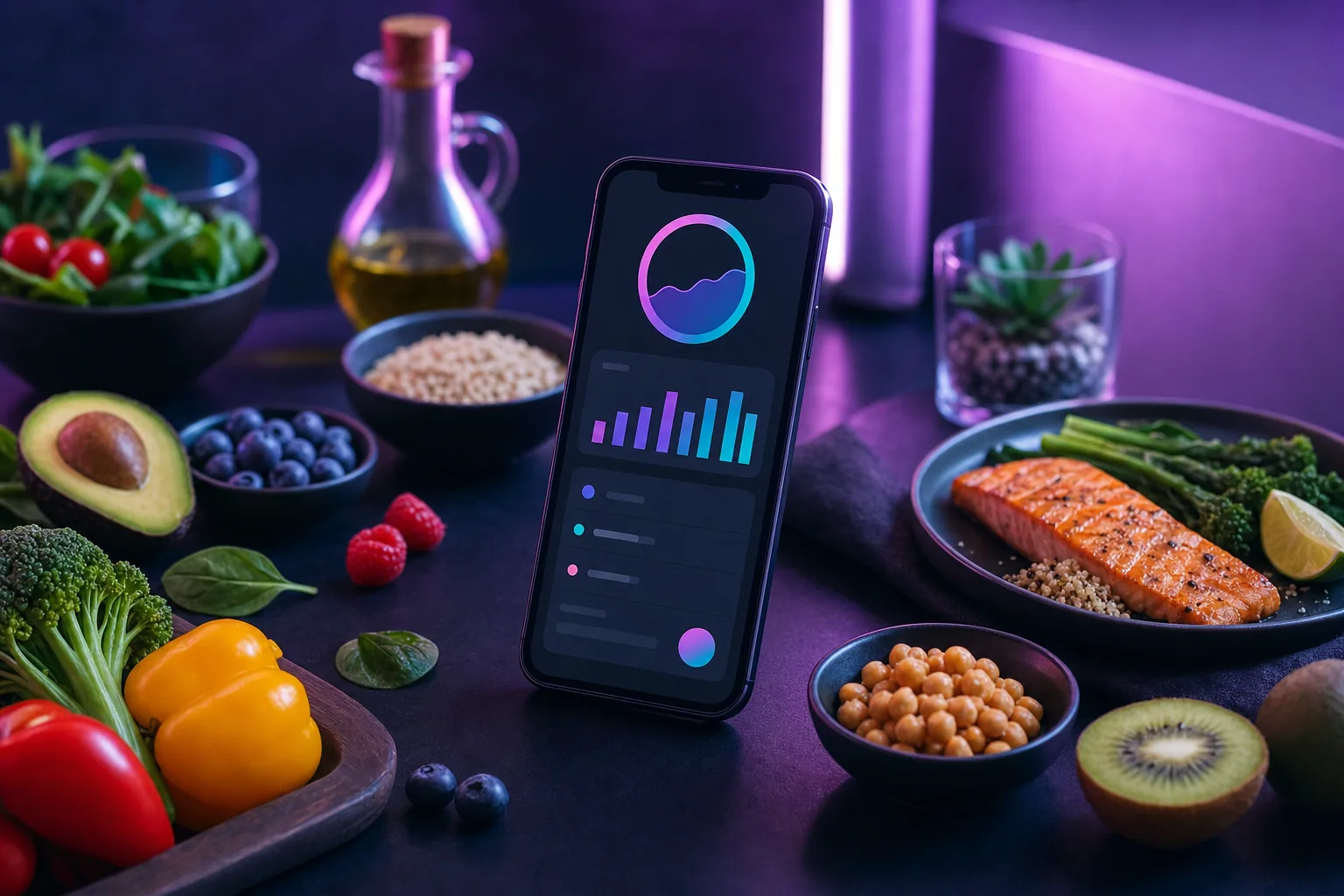
Managing carbohydrate intake is one of the biggest challenges in meal planning, whether you're diabetic, training for fitness goals, or simply trying to eat more intentionally. The traditional way of counting carbs is slow, error-prone, and frustrating: you hunt for nutrition labels, squint at serving sizes, do mental math, and hope you got it right. An AI-powered carb counting app changes that equation entirely.
Why Manual Carb Counting Falls Short
Before we talk about solutions, let's be honest about the problem. Manual carb counting requires you to know the exact carbohydrate content of every food you eat. That sounds simple until you're standing in front of a homemade pasta dish or a restaurant meal with no label in sight.
You end up guessing. You estimate portions. You worry you've made a mistake, especially if accuracy matters for your health. The friction is real, and it compounds meal after meal, day after day.
Traditional calorie-counting apps help, but they're clunky. They force you to search for every item in a massive database, tap through multiple screens, and manually adjust portion sizes. By the time you've logged a single meal, you've lost your momentum and your appetite for tracking altogether.
How AI Changes the Game
An AI carb counter flips this workflow. Instead of searching a static database, you describe your meal in natural language or snap a photo. The AI understands what you're eating, estimates portion size from context, and instantly calculates carbohydrate content with surprising accuracy.
The key difference is speed and usability. You don't need to know the exact name of a food or hunt through endless search results. You don't need to be a nutrition expert. You just describe what's on your plate, and the AI handles the math.
This matters enormously for real-world consistency. When counting carbs takes seconds instead of minutes, you're far more likely to actually do it. Less friction means better adherence, which means better health outcomes.
What to Look for in an AI Carb Counter
Not all AI carb counting tools are created equal. When you're evaluating options, focus on these core features:
- Speed and simplicity: Can you log a meal in under 30 seconds? Does it require minimal taps?
- Photo recognition: Does it recognize foods from photos or just from text descriptions?
- Portion estimation: Does the AI intelligently estimate serving sizes, or do you still have to measure?
- Database accuracy: Are the carb values consistent with reliable nutrition sources?
- Personalization: Does it learn your eating patterns and adjust recommendations over time?
- Export and tracking: Can you review trends over days and weeks to spot patterns?
- Offline capability: Can it work when you don't have internet, since you might need it while eating?
Look for tools built by people who actually understand nutrition and the real friction points of tracking. Apps designed from genuine need tend to solve real problems more elegantly than generic solutions.
Building Your Carb Counting Routine
Even with AI handling the heavy lifting, consistency is what drives results. Here's how to make carb counting a sustainable habit:
- Log before you eat, not after: Pre-logging meals keeps you intentional and gives you time to adjust if needed.
- Track mealtime insulin or medication: If you're diabetic, log your carbs at the same time you record your dose. This creates one habit loop, not two.
- Review weekly patterns: Spend five minutes every Sunday looking at your carb intake across the week. You'll spot patterns and adjust naturally.
- Use the same app every time: Switching between tools breaks your consistency. Pick one and stick with it for at least 30 days.
- Don't aim for perfection: You don't need 100% accuracy to see improvement. Consistency within 5-10 grams of your target is plenty.
AI Carb Counting for Diabetics
If you're managing diabetes, carb counting isn't optional. It's foundational to controlling blood sugar and insulin dosing. But the stakes are higher, which means accuracy and speed matter even more.
An AI carb counter designed specifically for diabetes strips away the nutrition generalism and builds in dosing logic. It understands that you need carb counts tied directly to mealtime insulin decisions. It tracks trends over weeks to show you when your carb estimates are off and helps you dial in.
The best diabetic carb counters integrate seamlessly with insulin calculation, turning carbs into dosing decisions in one fluid motion. When the app knows your insulin sensitivity factor and your current blood glucose, it can estimate exactly how much insulin you need based on what you're eating. That's not just convenience, that's safety.
AI Carb Counting for Fitness
If you're training seriously, carb counting becomes a performance tool. You need to hit specific macros on training days, lower carbs on rest days, and time your intake around workouts.
AI carb counters for fitness enthusiasts work differently than ones built for diabetes. They focus on weekly macros, not individual dosing decisions. They help you hit your protein targets, manage carbs around training, and adjust fat intake to stay in a calorie range. They might suggest meal timing based on your workout schedule or recommend higher carbs on heavy training days.
The AI learns your preferences and suggests meals that fit your targets without requiring you to build a meal from scratch every time.
Why Human-Built Apps Matter
There's a real difference between an app built from necessity and one built from marketing research. Apps created by founders solving their own problems tend to understand the friction points that generic solutions miss.
When you're choosing a carb counting app, pay attention to the story behind it. Was it built by someone who actually counts carbs and understands the frustration? Does it feel designed for real use, or does it feel designed to check feature boxes?
Apps built to solve real problems feel different. They're faster. They anticipate what you need next. They don't ask for unnecessary information. They're opinionated about what matters.
Getting Started Today
If you've been struggling with manual carb counting, an AI app can transform the entire experience. Start with a free trial if one's available. Give it at least a week of real use, logging every meal. You'll quickly feel whether it's solving your actual problem or just adding a new tool to your drawer.
The goal isn't perfection. It's consistency. It's removing friction so that you actually track your carbs every single day. That sustained attention to what you're eating, powered by AI that does the thinking for you, is what drives real results in managing your health and nutrition.