
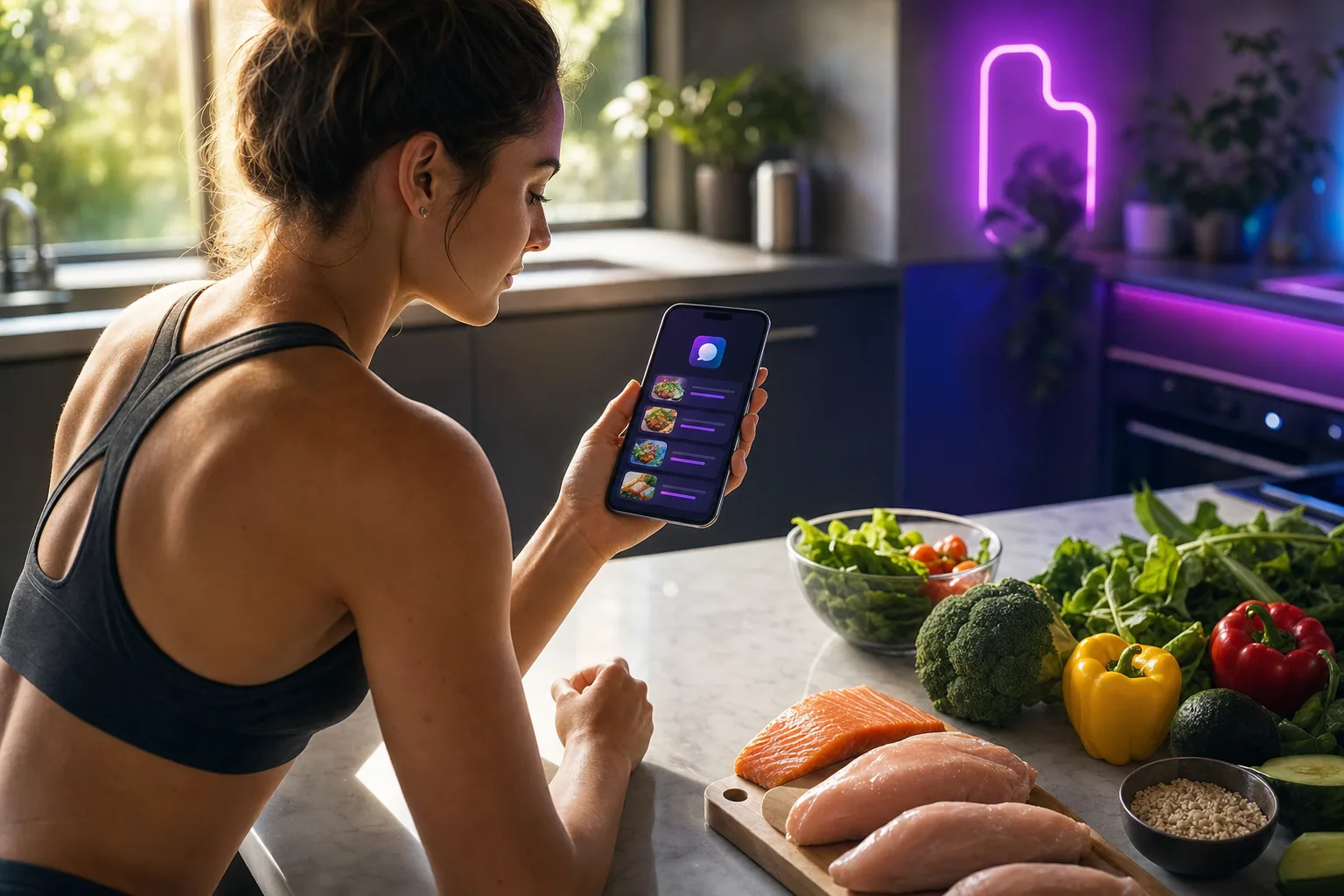
When you're serious about fitness, nutrition is half the battle. But meal planning doesn't have to mean spending hours researching macros, counting calories, or following generic meal templates that don't fit your life. That's where AI nutrition apps come in.
An AI-powered meal planning solution learns your tastes, your goals, and your real-world constraints, then builds a custom nutrition strategy that actually sticks. Instead of guessing whether you're eating enough protein or hitting your carb targets, you get personalized recommendations that adapt as your fitness journey progresses.
Let's explore what makes the best meal planning apps stand out, and why AI-driven personalization is changing how people fuel their fitness goals.
Why AI Nutrition Apps Beat Generic Meal Plans
Generic meal plans fail because they treat everyone the same. You and your friend might both want to lose weight, but you hate chicken and she's allergic to dairy. A one-size-fits-all approach never works.
AI nutrition apps flip that on its head. They:
- Learn your food preferences and adjust recommendations in real time
- Calculate macros specific to your body, activity level, and goals
- Suggest meals you'll actually want to eat, not tolerate
- Adapt as your fitness level changes and you hit new milestones
- Remove the mental load of tracking and math, so you focus on training
The best personalized meal planning apps don't just tell you what to eat. They understand you. They ask questions about your lifestyle, your dietary restrictions, and your fitness ambitions, then use that context to build a nutrition plan that feels less like a diet and more like a personal coach who knows exactly what you need.
Real-World Problem Solving Through Design
When fitness enthusiasts say they struggle with meal planning, what they really mean is: "I don't have time to research recipes, I don't understand macros, and I keep falling off track because the meal plan doesn't match my actual life."
The strongest AI meal planning apps solve these problems with elegant, straightforward interfaces. You input your goals, preferences, and constraints once. The app does the heavy lifting: recipe suggestions, shopping lists, macro tracking, and adjustments based on your progress.
This is design that comes from real frustration. The best apps in this space aren't built by committee or focus-grouped into mediocrity. They're built by people who faced the same problems and refused to settle for a complicated tool when a simple, beautiful one could exist instead.
Key Features to Look for in an AI Meal Planning App
Not all AI nutrition apps deliver the same value. When you're choosing a personalized meal planning app, focus on these capabilities:
- Adaptive macro targets: The app adjusts protein, carbs, and fat based on your goals and progress, not a static formula.
- Preference learning: It remembers what you like and dislikes, and stops suggesting meals you'll ignore.
- Workout integration: The best options sync with your fitness routine and adjust calories and macros accordingly.
- Real meal suggestions: Recipes should be practical, use common ingredients, and feel like food you'd actually make.
- Progress tracking: See how your nutrition aligns with your fitness gains, energy levels, and how you feel.
- Simplicity first: If you need a manual to understand it, it's not a good app. The interface should feel intuitive from day one.
The Role of AI in Personalized Nutrition
Artificial intelligence transforms meal planning from a static checklist into a dynamic conversation. The app learns not just what you eat, but why: maybe you skip breakfast on gym days, or you cook in bulk on Sundays. It notices patterns and adapts recommendations to fit your actual behavior, not the behavior someone thinks you should have.
This matters because the goal isn't perfection. It's consistency. An AI nutrition app that suggests five meals you'll eat beats one that suggests ten and you ignore seven. Personalization means fewer decisions to make, less willpower required, and better odds you'll stick to your nutrition goals long enough to see real results.
Building the Right Nutrition Habit Stack
Choosing an AI meal planning app is only the first step. The apps that deliver results are the ones that fit into your existing routine, not the ones that demand you rebuild your entire lifestyle.
Consider these habits alongside your meal planning app:
- Track your workouts and energy levels, not just calories
- Adjust portions and macros weekly based on real progress
- Review your meal plan Sunday night before the week starts
- Batch cook one day per week to reduce daily friction
- Use the app's shopping list feature to streamline grocery trips
When an AI nutrition app integrates into this kind of stack, it becomes less of a tool you use and more of a layer that makes everything else easier.
Moving From Generic to Personal
The fitness industry has trained us to accept one-size-fits-all solutions. But you're not generic, and your nutrition shouldn't be either. The rise of AI-powered meal planning apps means you no longer have to choose between getting personalized guidance and actually using it.
The best apps in this space solve a real problem: they make it possible to eat with intention without making it complicated. They adapt to your goals, your taste preferences, and your lifestyle, which means nutrition goes from being something you force yourself to do into something that supports your fitness journey naturally.
If you've been bouncing between meal plans that don't stick, or apps that feel like overkill for your needs, it's worth exploring what a truly personalized AI nutrition solution can do. The right app removes friction, adds clarity, and turns nutrition from a source of stress into a competitive advantage in reaching your fitness goals.